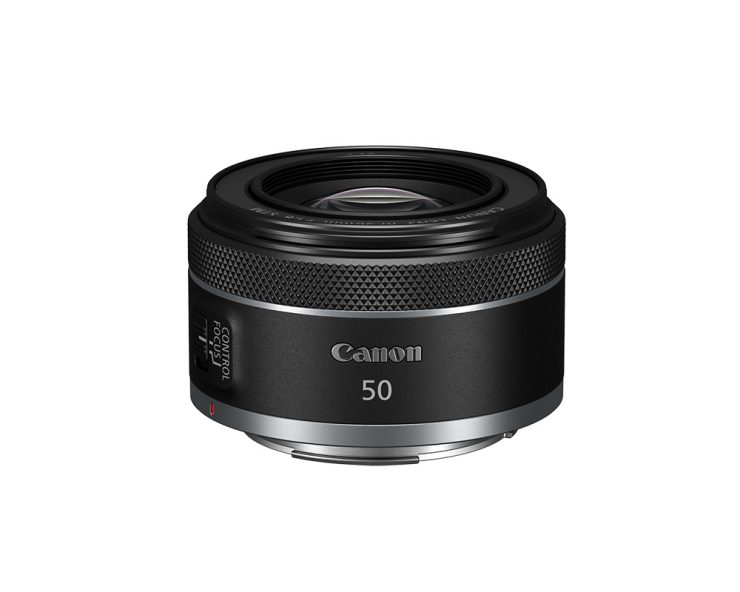
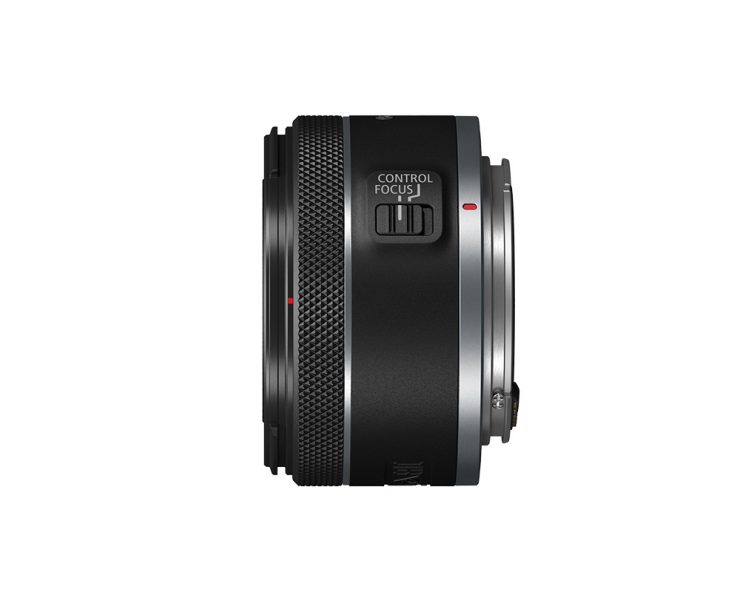
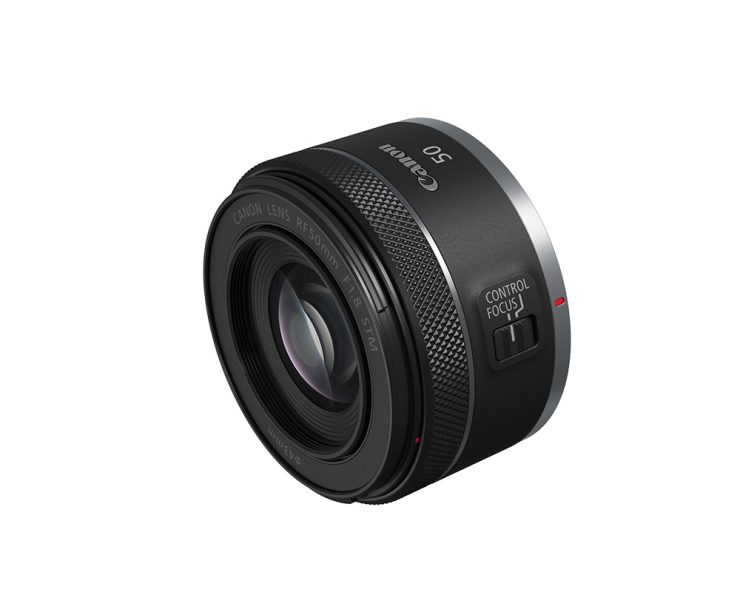
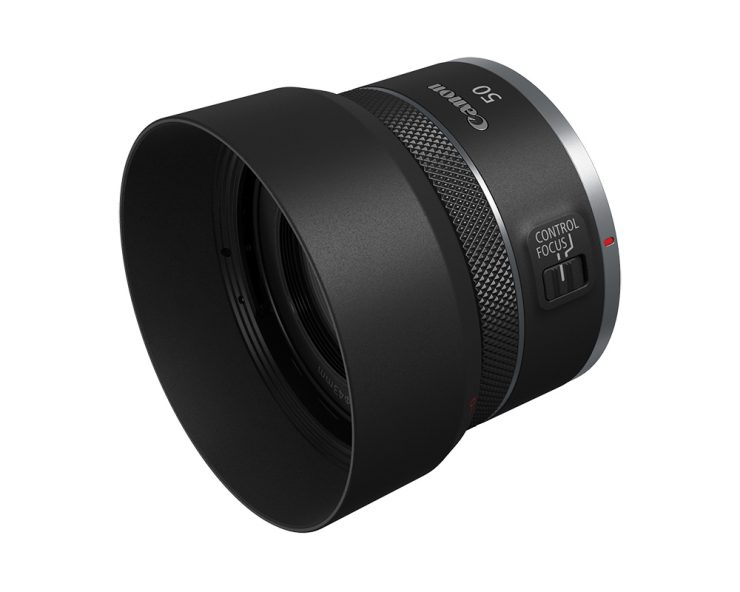
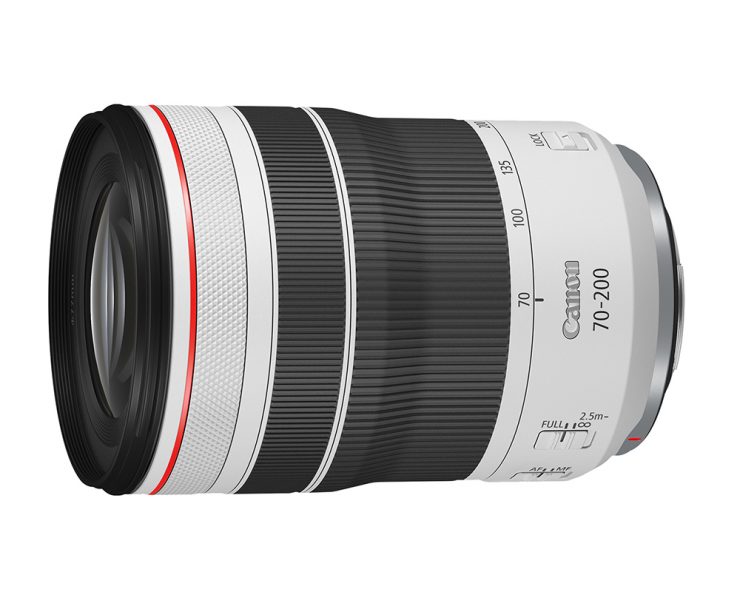
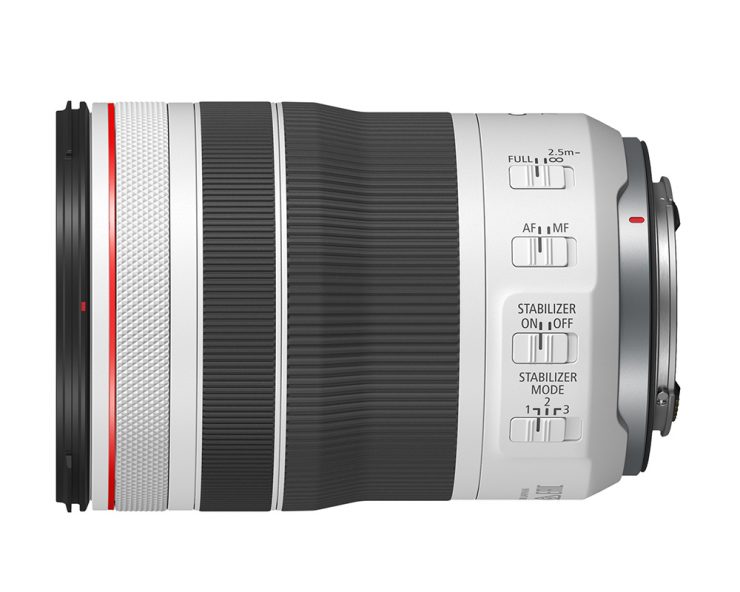
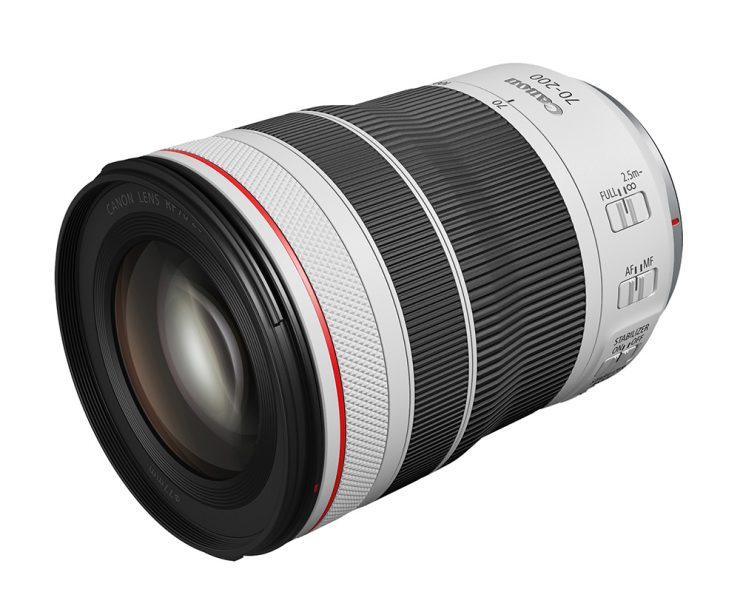
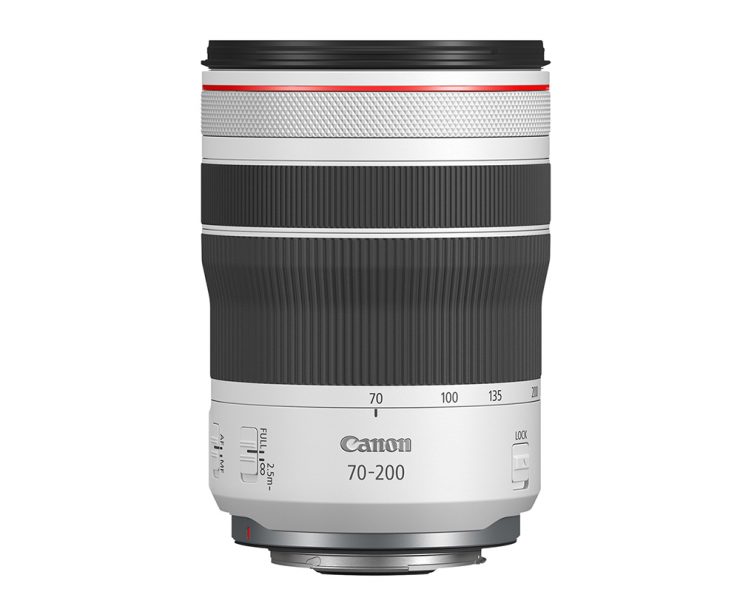
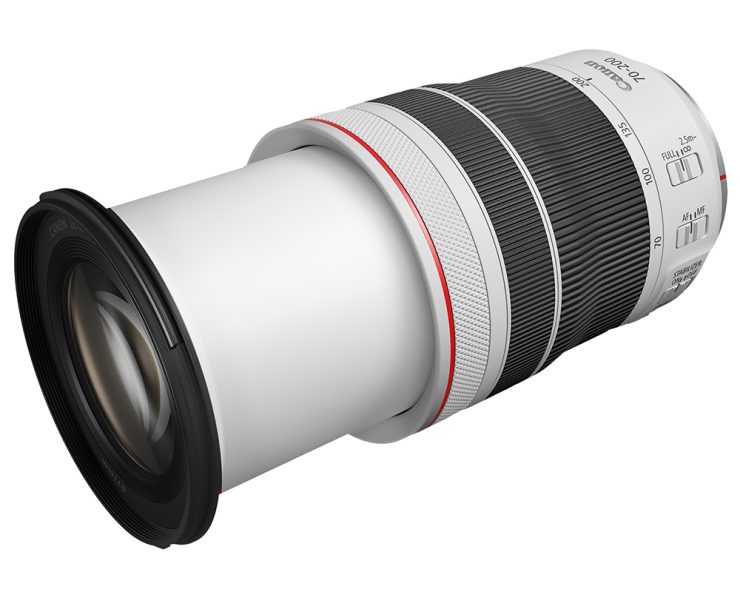
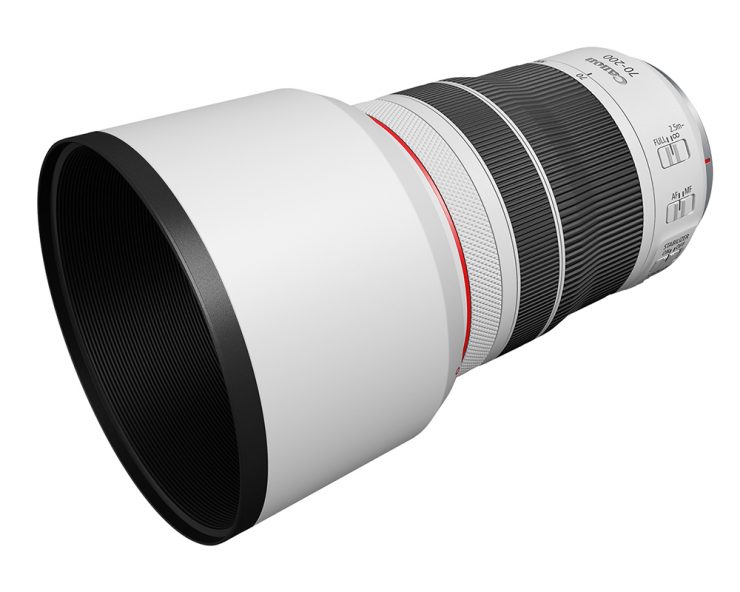
With ill-advised timing on this election night, Canon has announced two new lenses for mirrorless full-frame: the RF 50mm f/1.8 lens and the RF 70-200 f/4L IS USM lens.
The Canon RF 50mm f/1.8 STM Lens
Probably the most popular prime lenses in history have been Canon’s 50mm f/1.8 EF lenses, providing surprisingly good image quality for less than $100 (for most of the lifetime of the EF II lens), though the STM variant cost about $20 more.
The new 50mm RF lens bears quite a bit of similarity to their existing EF STM model, including an optical formula of six elements in five groups, but the new lens includes a special PMo aspherical lens element to reduce chromatic aberration and improve resolution across the frame. Like most RF lenses, the 50mm also sports a “Control Ring” that can be used to adjust exposure or focus.
The lens will be available just in time for Black Friday, it appears, with Canon suggesting availability in late November for $199. This will undoubtedly be a hot Christmas gift, so I’d recommend pre-ordering.
The Canon RF 70-200 f/4 IS USM Lens
Canon’s EF 70-200 f/4 was popular because it was incredibly sharp while being lightweight and inexpensive compared to the f/2.8 version, and it appears that Canon has attempted to build on this legacy with the RF 70-200 f/4 IS USM. It is both shorter and lighter than the EF lens, but includes two nano-USM motors for improved AF performance.
The optical formula includes 16 lens elements, four of which are special UD glass to improve image quality. Stabilization provides 5 stops of shake reduction on bodies with no IBIS, and 7.5 stops when conjoined with IBIS.
And of course, being an “L” series lens, Canon has thoroughly weather and dust sealed the lens.
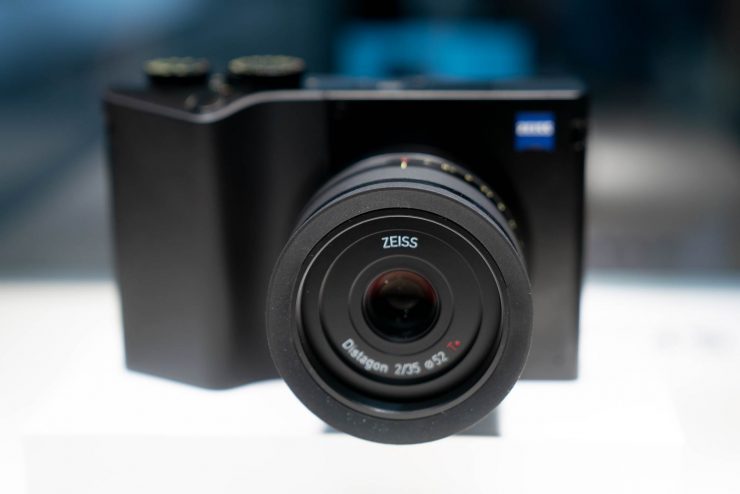
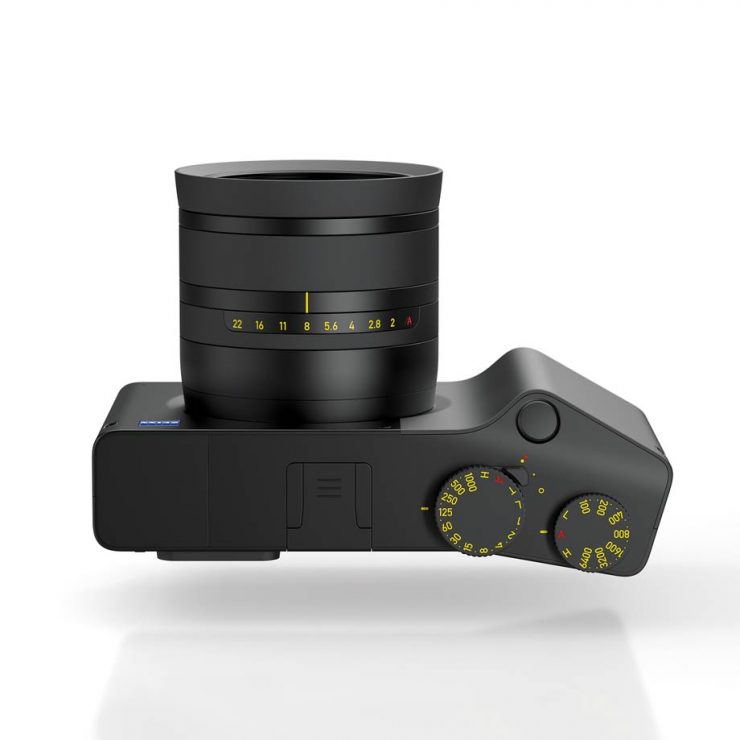
Two years ago, Alfred Lopez and I were standing in the Zeiss exhibit at the PhotoPlus expo in New York, looking at a newly announced Zeiss ZX1 camera. At that time, the EOS R, Nikon Z, and Panasonic S mirrorless camera lines had just been announced, and Sony’s mirrorless cameras were sitting on top of the world. It seemed natural that Zeiss would also be announcing a full-frame mirrorless camera.
But then, we didn’t hear anything more about it.
Matthew Gore | Light And Matter The Zeiss ZX1 in its 2018 PhotoPlus display case.
The next year at PhotoPlus, when we asked the Zeiss reps about the ZX1, they sheepishly responded that it wasn’t quite ready yet, but it was almost there. Maybe by Christmas, they suggested. Then nothing.
Now, the Zeiss ZX1 is here! Does anyone still care?
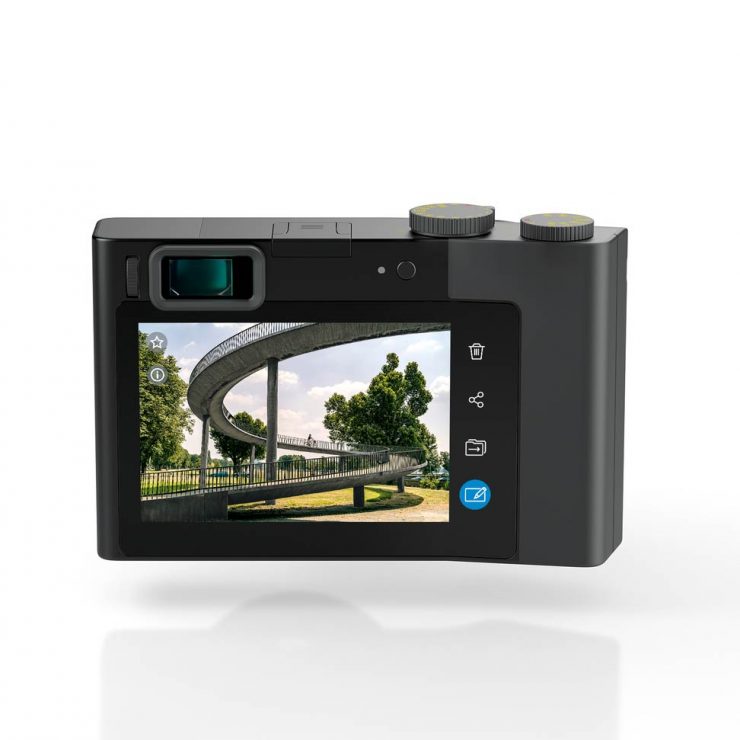
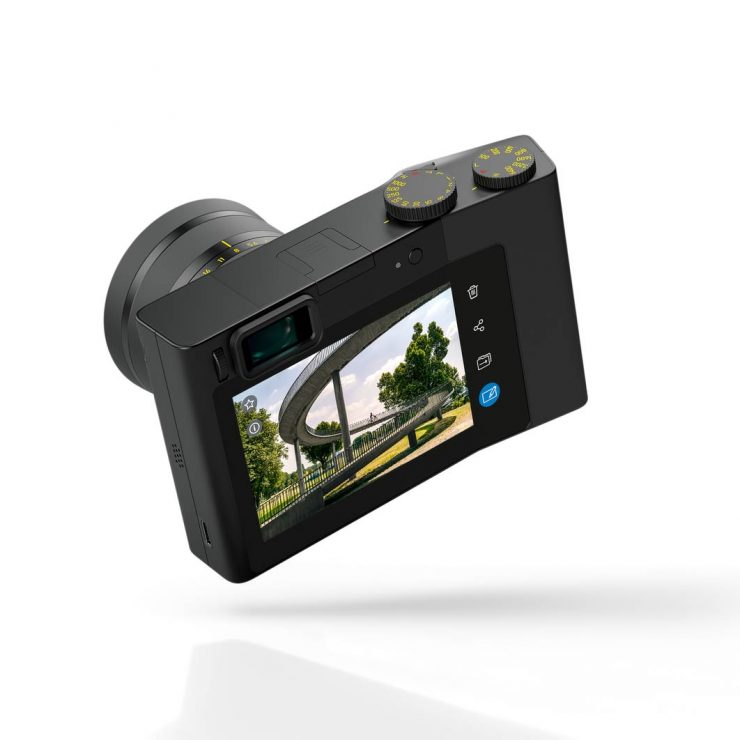
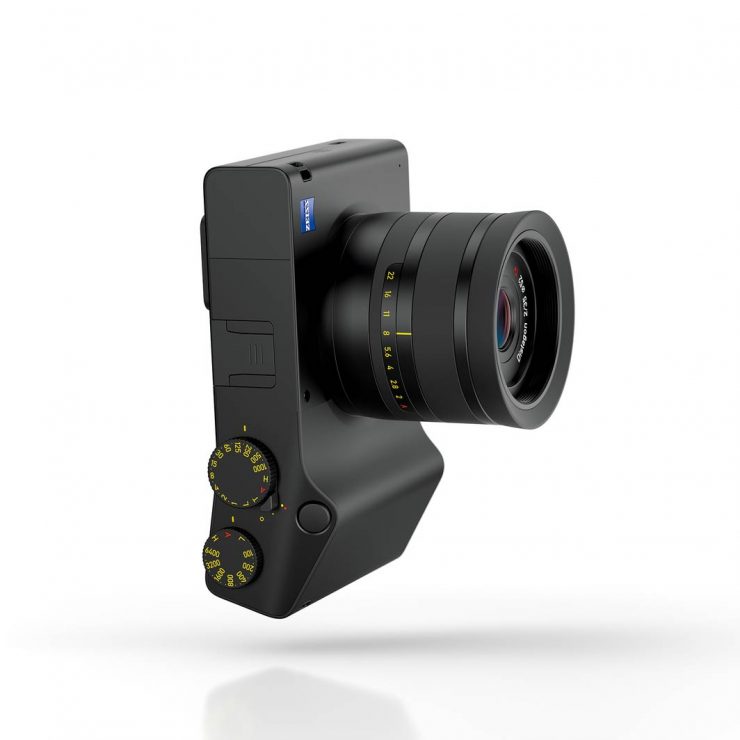
The Zeiss ZX1 is undoubtedly a unique and interesting camera. It has a fixed 35mm f/2 lens, a full-frame 37 megapixel sensor, 512GB of integrated storage (no memory cards), and a large, touch screen across the back of the camera… and it runs Lightroom! Right there on the back of the camera. Cool.
If you’re one of those photographers who heads out the door knowing exactly how you want to shoot, and that also means using only a 35mm lens, and you don’t want to carry anything else (not even a phone or tablet to edit your RAW files), then the ZX1 might be for you.
There’s no question that Zeiss lenses have a special, contrasty quality, that gives photographers wonderful detail and texture. The ZX1’s lens, by all accounts, is no different.
But $6000 is a lot of money for a one-trick camera, especially when Zeiss makes some equally wonderful 35mm lenses for every other camera brand.
Would you consider buying one? Let us know in the comment section below.
If so, they’re now available in the USA at Adorama and B&H Photo, and a few places in Europe. Did I say available? That’s what Zeiss’s press release said today, but what they meant was. “available for pre-order,” apparently. Don’t worry. I think that the camera is really coming, this time.
from Light And Matter https://ift.tt/3mLXlsL
via IFTTT
Peak Design is a well-known manufacturer of bags and accessories for photographers and travelers. One of their most iconic products is the Everyday Backpack. First launched in 2016 and updated to version 2 in 2019, the Peak Design Everyday Backpack has gathered quite a following, thanks to its unique design and numerous features.
I have been using the larger, 30 liter V2, in charcoal, for almost a year. Over that time, I learned a lot about the bag, its qualities and its flaws. This article presents my observations about the Everyday Backpack.
Peak Design Everyday Backpack : General Description
The Peak Design Everyday Backpack is available in two sizes and four colors. The general appearance is resolutely modern, with a curved shape and few external elements. The backpack still offers an impressive number of external features: two side pockets with short straps to secure longer items; a hidden compartment near the bottom hiding two longer straps which can latch to any of the 14 loops distributed all over the bag; a luggage pass-through; a reinforced bottom; weatherproof fabrics, shoulder straps that attach to the back panel via magnets, the list goes on.
Bernard Dery | Light And Matter An opening appears on both sides when the bag is expanded to its largest size
The top flap is held in place by the company’s “Maglatch” magnetic clasp which attaches to any of the four rungs on the front. This lets the bag compress down to 22 liters or expand to the full 30 liters as needed. Using the rungs is easy and quite secure. The one drawback is that, when fully expanded, the sides leave a small opening where water can enter. As a rule, I never used the top rung of the Maglatch closure.
The interior is also full of interesting elements. The laptop sleeve has a false bottom with adjustable height, to fit perfectly the laptop’s size and make it easier to pick it up. The main compartment is accessed via full-length zippers on both sides. It shows a set of folding dividers (three for the 30 liters version, two for the 20 liters) which allow quick and easy reconfiguration of the interior volume.
User Report
Bernard Dery | Light And Matter Magnets are everywhere on the Everyday Backpack
I mentioned magnets, and they are everywhere on the Peak Design Everyday Backpack. In addition to the ones holding the shoulder straps in place, there are magnets to close the two side pockets and the bottom compartment. The top flap also closes via magnets. The luggage pass-through stays closed thanks to yet another magnet. There is a hidden compartment near the top, a pocket on each side flap, all held closed with more magnets. Even the tablet sleeve next to the laptop pocket closes with a magnet.
In use, the magnets have many benefits. Their presence means that there are fewer zippers and less Velcro used. They help keep the pockets flat for a more streamlined look.
The quality of the fabric and craftsmanship is impressive. Even after one year of heavy use, my backpack still looks almost new. This bag got rained on, was dropped in the snow, sprayed with salt water, put down on sand and dusty soils, even stepped on a few times. In other words, it lived through a lot. And, quite simply, it doesn’t show.
Bernard Dery | Light And Matter Internal organization is made easier thanks to the folding dividers and the dual side access
I am a big fan of the internal organization, particularly the folding dividers. I have used a lot of camera bags and have never encountered something as convenient as this. It is very easy to adjust the divisions as needed. No messing around with Velcro, no fumbling: simply lift and fold to create shelves and cubbies. Whether carrying photo equipment, a packing cube, snacks or anything else, the Everyday Backpack can adapt in seconds.
Everything is not perfect, however. One limitation is that the cubbies have a fixed size. For larger lenses this isn’t a problem, but for small primes, I end up with wasted volume and a lens that can tumble around. I really wish that Peak Design offered an option to further divide the internal volume.
Another limitation is that, when folded, the dividers are not particularly stiff. I learned this the hard way. A full frame camera with a medium-sized lens is heavy enough to push back on a divider if there is nothing on the other wide. Luckily the worst that can happen is that your camera will have moved laterally inside the backpack, no big deal in truth, but still something to be aware of.
Bernard Dery | Light And Matter The hip strap significantly improves comfort with heavy loads
Comfort is generally good, although not perfect. This is highly dependent on the load, of course. Because of its large capacity, when the bag is filled with photo gear, it gets heavy, and the shoulder straps quickly become uncomfortable. Peak Design sell a well-designed hip strap as an accessory. In my case, carrying a bag full of full frame lenses and a tripod, that hip strap made a big difference. It does increase the total cost of ownership.
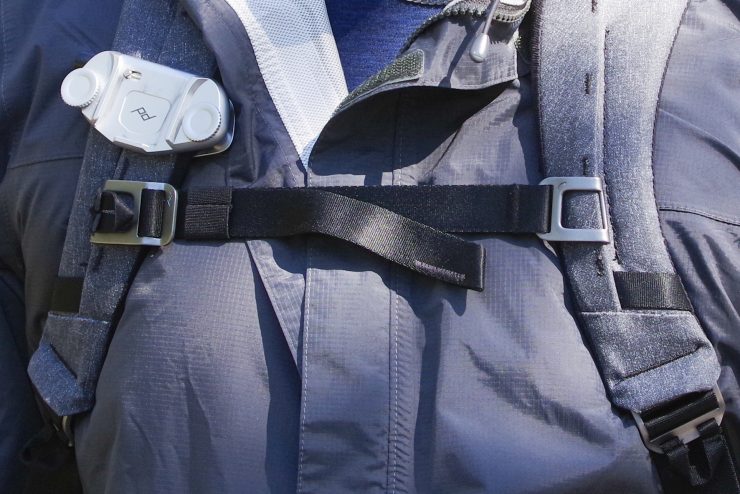
For medium loads, comfort is actually quite good. I particularly like the unique sternum strap. Instead of the usual split strap with plastic buckles, the Everyday Backpack features a single band, with metal hooks at both ends. I really like this system because I can use attach and detach it one-handed. After a year, it has become second nature, and is much more convenient than anything else I’ve ever tested.
The Peak Design Everyday Backpack is far from my only camera bag. It is, however, the most versatile of all the bags I’ve used and tested. It is not cheap, but backed by a lifetime warranty, with quality fabrics (recycled and Bluesign approved) and an astounding number of features, more than can be discussed in this article. I use it when hiking, when traveling light, as a carryon on planes, for commuting and walking around town, with or without my camera. Even though the Everyday Backpack isn’t without a few flaws, after a year I like it more, not less, than when I started using it. And that’s saying a lot.
Want to get your own? Peak Design Everyday Backpacks are available at:
With the Sigma 24-70 f/2.8 ART lens for Sony E-mount, Sigma promises to satisfy a list of demands from countless Sony full-frame camera owners: they claim to provide a full 24-70mm zoom range with excellent image quality throughout, fast autofocus, and a price-tag that’s $1100 lower than the Sony GM, all in a body that still manages to be smaller and lighter than the Sony lens. But does it actually fulfill these promises? The answer appears to be a resounding “Yes“. But it still may not be the perfect lens for everyone. Read further to see if the Sigma or the Tamron is the better choice for you.
Build and Physical Dimensions
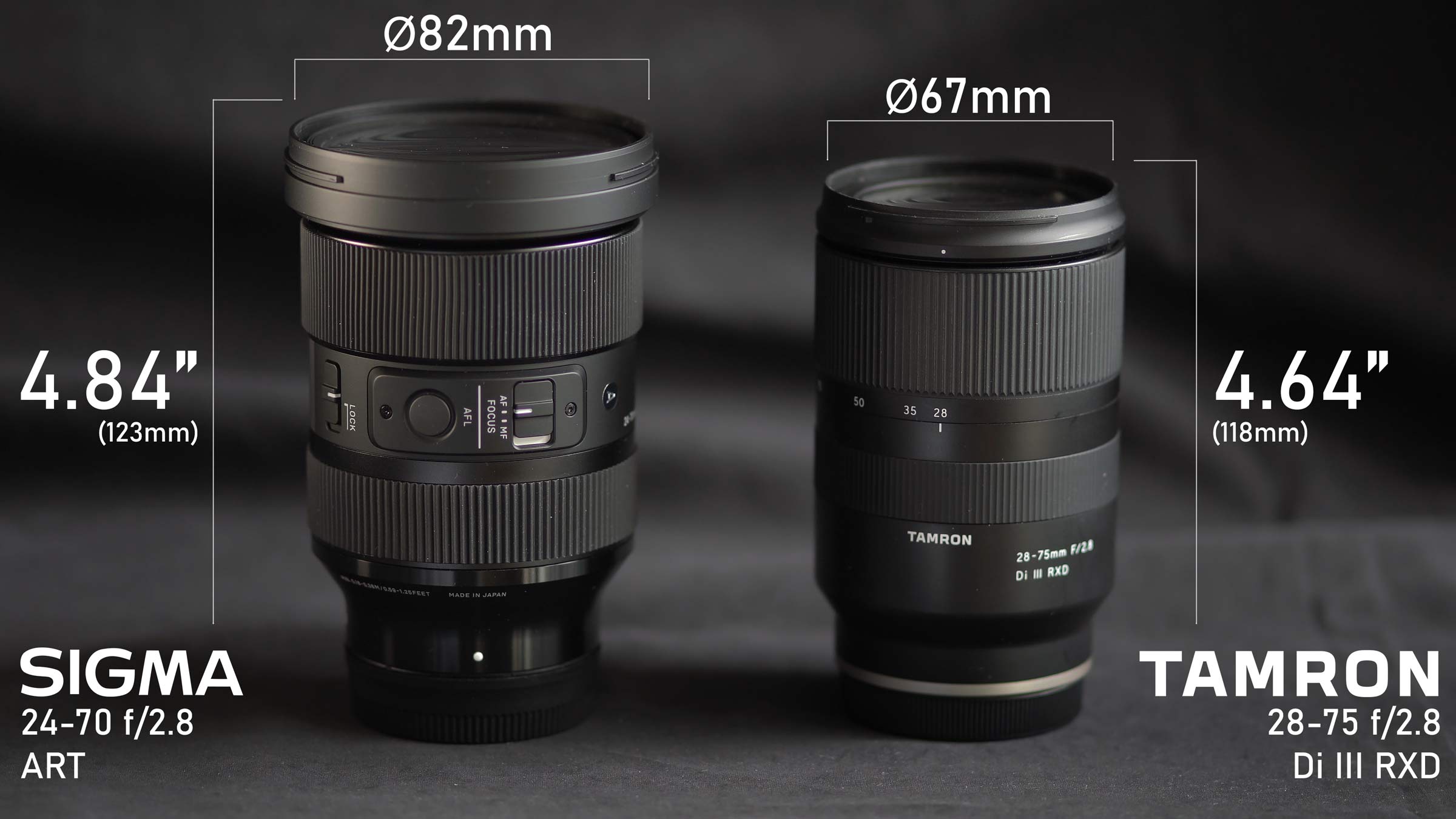
While the Sigma lens is physically shorter and lighter than the Sony 24-70 f/2.8 GM (5.35″ long, 1.95lbs), it is still substantially larger than the Tamron 28-75; the Sigma weighs 1.84 pounds compared the the Tamron’s 1.21, about 65% as much as the Sigma.
At the same time, the Tamron uses the 67mm filter threads like all of the f/2.8 zoom lenses in their lineup, while the Sigma utilizes the same massive 82mm filter threads as the Sony GM.
As much as I have enjoyed using the Tamron lens over the past couple of years, its minimalist design means that it has no manual switches or buttons, while the Sigma lens has an MF/AF switch and an AF lock button, along with a zoom lock switch. Of course, most Sony cameras have custom buttons that can be assigned to the same functions (not the zoom lock, of course), but I’d really prefer to be able just use dedicated controls.
If you’re young and healthy and don’t mind an extra half pound of weight, the Sigma will pose no problem. If you’re doing what you can to lighten your camera bag, though, the Tamron may still be your best choice.
Zoom Range
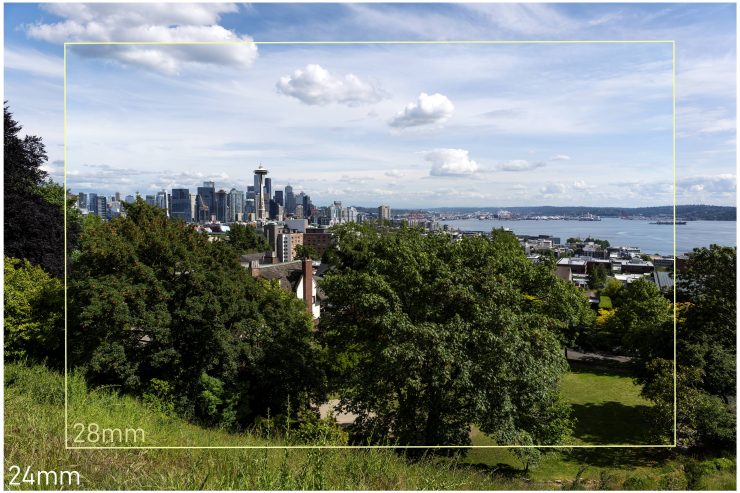
How much of a difference is there between 24mm and 28mm? A significant amount, though after getting used to the 28mm end of the Tamron, I’ve rarely felt that I needed anything wider over the past couple of years… except when I needed something much wider (for which I bought the Tamron 17-28mm f/2.8).
Sigma @ 24mm
Tamron @28mm
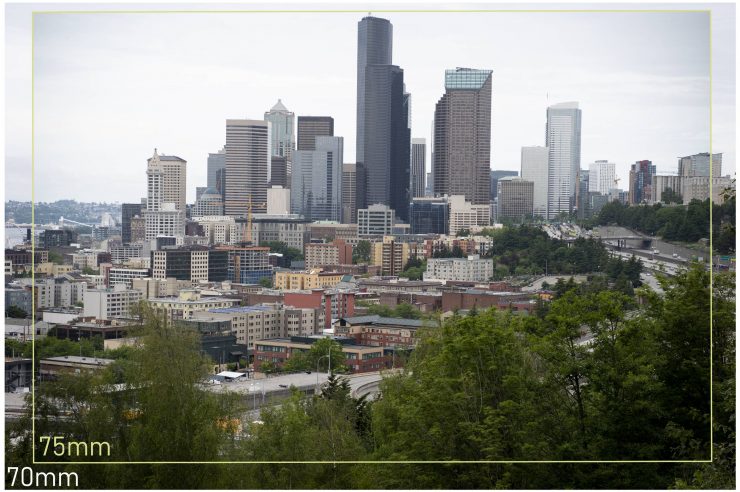
While it is possible to completely reproduce the perspective of a 75mm lens with a 70mm lens and cropping, the same is not true at the other end of the zoom range; there is no substitute for a wide lens. Backing up and taking the photo from a further distance may be a workaround in some circumstances (when the subject is close enough to you that backing up will make a difference), but even then, you’ll be changing the distance relationships between the foreground, background, and subjects in the photo.
After reviewing the Sigma 24-70 f/2.8 OS ART for Canon mount, I didn’t have particularly high hopes for the new Sigma 24-70 model for mirrorless, so I was pleasantly surprised to discover how well the new lens performed.
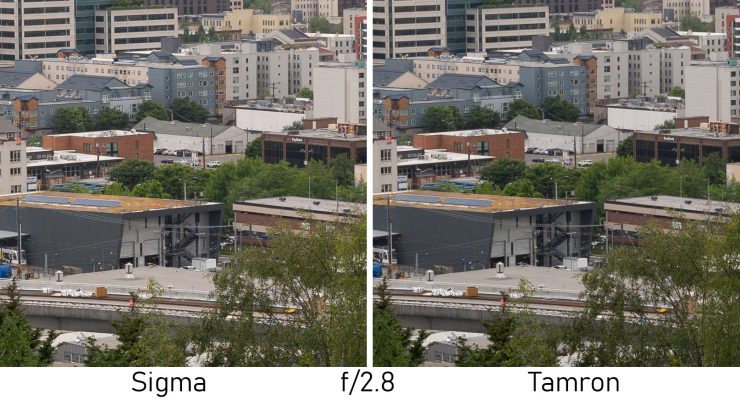
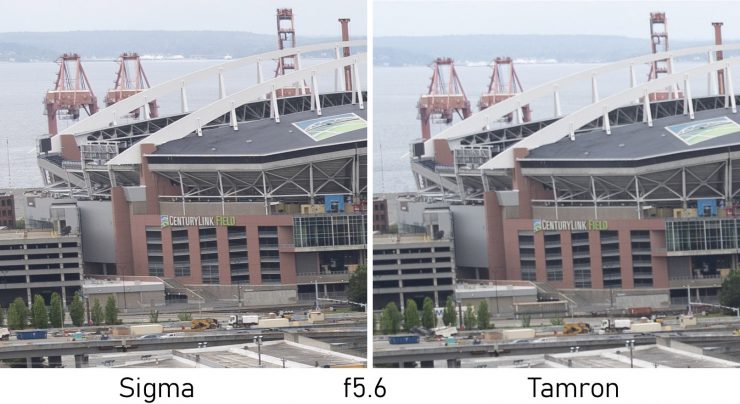
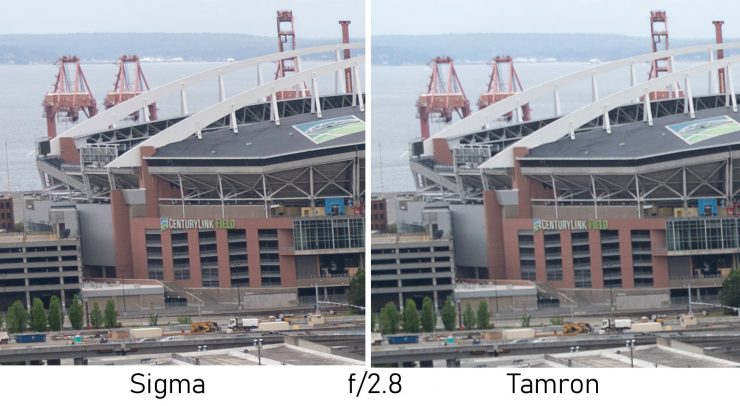
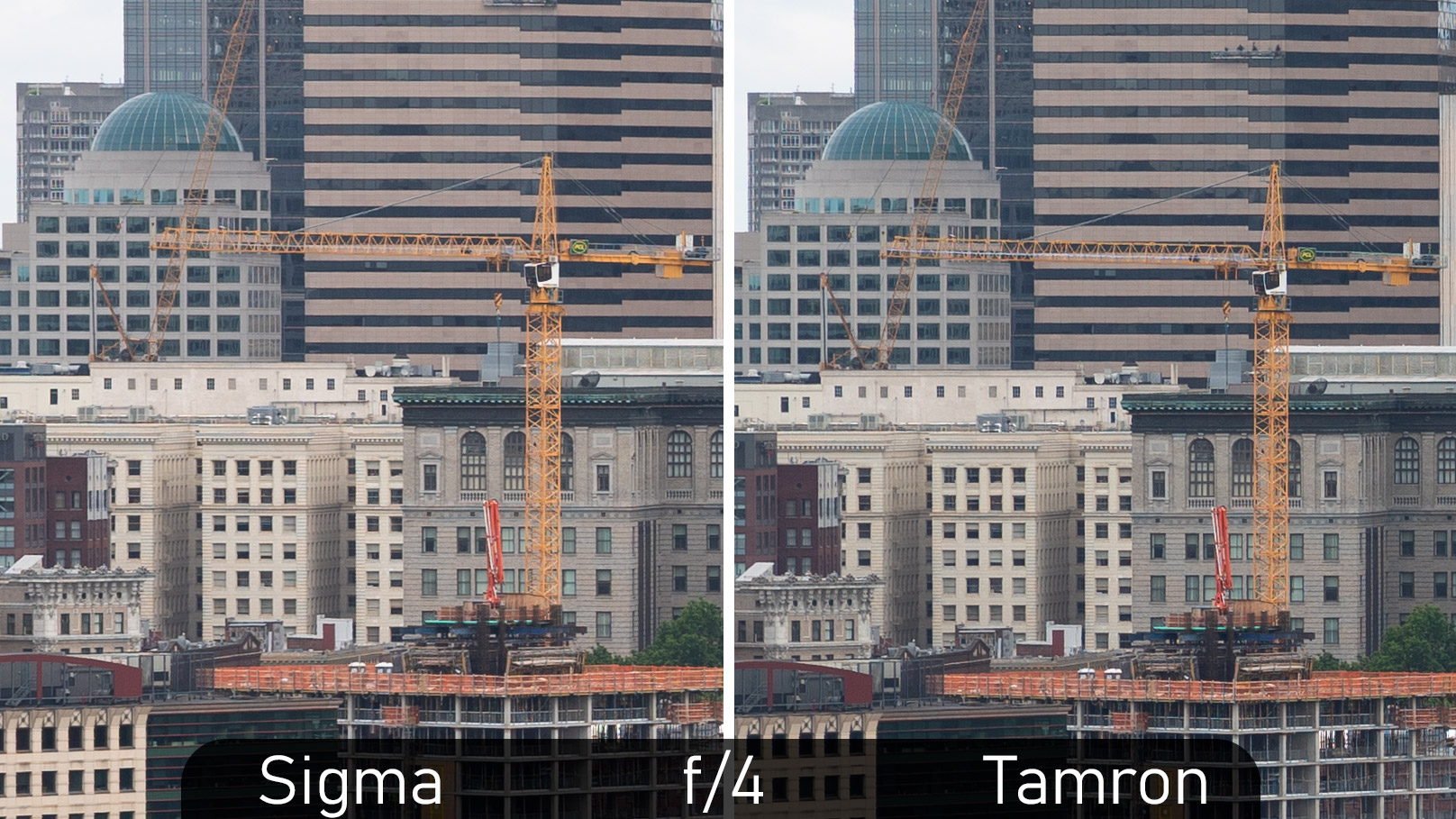
At the wide end of the zoom (tested at 28mm), the Sigma produced noticeably better resolution than the Tamron across the frame, from center to corner. The difference was admittedly a minor one, in most cases, but visible outside of laboratory conditions.
Matthew Gore | Light And Matter For orientation, this is the full from of the shots being compared below as 100% crops.
At the other end of the zoom, at the Tamron was occasionally more contrasty, creating a sharper appearance to the image overall, but resolution differences were negligible. In some parts of the frame, particularly at f/2.8, the Tamron appeared to produce marginally better resolution, but it was a difference only visible when pixel-peeping at 100% magnification.
Matthew Gore | Light And Matter At the 70mm end of the zoom, the Sigma 24-70 and Tamron 28-75 produce nearly identical image quality, though the Tamron sometimes appears slightly better to me.
Ultimately, there will always be some variation between lenses coming off of a manufacturing line for mass-produced lenses; some will perform better than others. Looking at the images produced by these two lenses and their minor differences in resolution, I suspect that an especially good unit of either one will perform better than an average unit of the other… and they’ll all be excellent lenses.
So, expect that whichever of these lenses you buy you’ll get wonderfully high resolution images. I probably wouldn’t make a lens choice based on resolution, here.
Autofocus Performance
In this regard my review has been impacted by restrictions in place during the Covid-19 outbreak here in WA state. With no team sports playing while I had this lens, and most parks and public places closed by law, I didn’t have the opportunity to test the Sigma for shooting sports and action as I normally would.
J. Matthew Gore For general shooting, the Sigma produced wonderful color and contrast.
That said, I did use the lens pretty regularly over a period of a couple of months, and found the autofocus to be quick and quiet for general use. Eye and face detection worked (with perhaps a little more irregularity than my Sony lenses), and when I finally was able to use the lens while shooting some event coverage and street photography, I had no trouble with the focus performance.
The Tamron lens, on the other hand, has been on my camera for much of the past two years, shooting thousands of sports and action photos in addition to my general shooting. Its AF performance has been rock solid, even for video.
Consequently, I’ll have to reserve judgement on the Sigma’s AF performance for action photography, though I don’t have any reason to believe that there’s anything wrong with it. For the ways that I used the lens, it performed as it should.
Distortion, Vignetting, and Bokeh
Uncorrected, the Tamron and Sigma lenses both produce heavier amounts of distortion than I’d hope for in a modern lens, but they have likely been designed this way because of the in-camera corrections that are available with Sony’s cameras (which also correct chromatic aberration and vignetting) as well as lens correction profiles available for Adobe Lightroom and Camera RAW, and other RAW converters.
Since both lenses are effected, and since distortion and vignetting are so easily corrected in both cases, I don’t consider them to be important factors for choosing either lens for photographers. However, these factors may be important for people primarily shooting video (though “Lens Compensation” is also available for video in most Sony cameras). I don’t shoot video, as a rule, so I can’t comment on the matter.
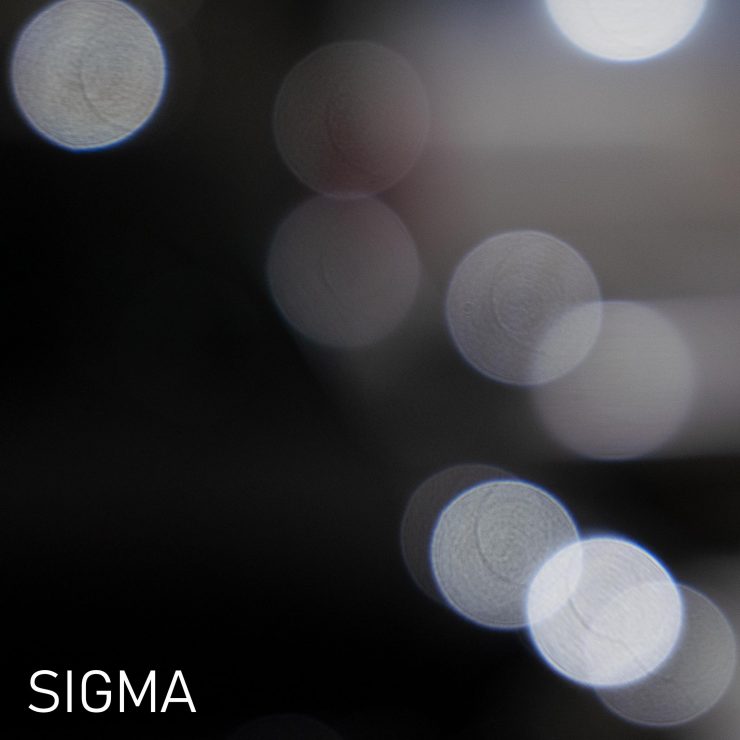
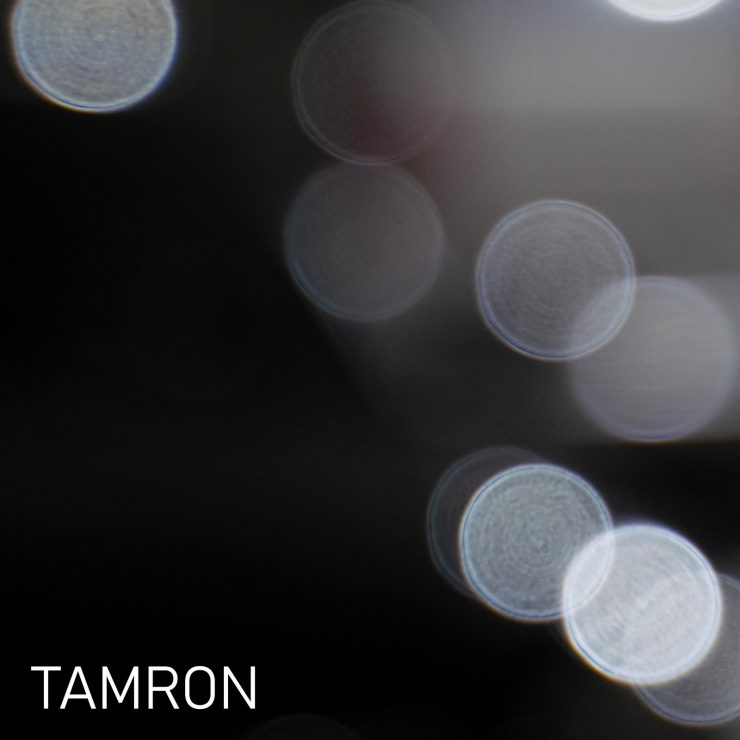
There is a Significant difference between the bokeh produced by the Sigma and Tamron lenses, though. As you can see in the images below, when looking at bright highlights in the out-of-focus section of images (aka, bokeh balls), the Tamron 28-75 f/2.8 produces harsh, multi-ringed borders, while the Sigma produces smoother borders. Both lenses produce some concentric-circle artifacts from their aspheric elements (aka, onion rings).
When no “bokeh balls” are present, the bokeh of these lenses is much more similar. The Tamron’s backgrounds can be a little more contrasty.
Conclusion: Which Should You Buy?
In the end, I prefer the Sigma 24-70 f/2.8 over the Tamron in almost every aspect except for the size and weight where I prefer the Tamron to such a massive degree that it would really make this a difficult choice for me.
Both lenses offer excellent image quality. The Sigma is slightly better at the wide end, and the Tamron might edge out the Sigma at the telephoto end, though they are close in both cases. If you’re shooting with a camera in the 24 megapixel range (or less), you probably won’t see a difference at all in resolution.
The 24-70 zoom range is something that every serious photojournalist, event photographer, or travel photographer should own, and both of these lenses are excellent.
If you travel quite a bit or otherwise need to carry less weight, the Tamron might be the best option for you. It costs at Amazon.
If you don’t mind the extra heft, though, the Sigma covers all of your bases at a great price; the extra zoom range will make up for the roughly $200 extra that you’ll pay for the lens. The Sigma costs at Amazon, with a variety of accessories thrown in to sweeten the deal.
What Do You Think?
As I mentioned, my testing has been somewhat limited by the COVID-19 pandemic. Have your experiences with these lenses been different than mine, or about the same? I’d love to hear either way.
from Light And Matter https://ift.tt/2I7JHAR
via IFTTT
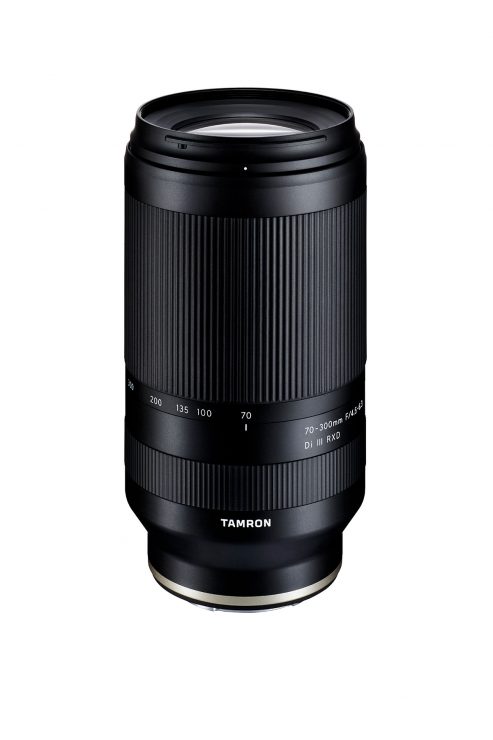
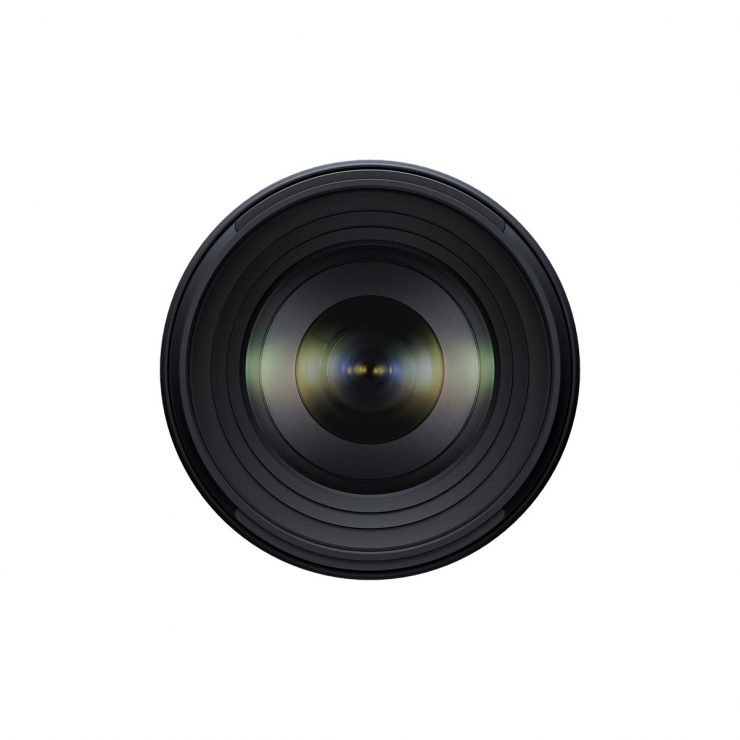
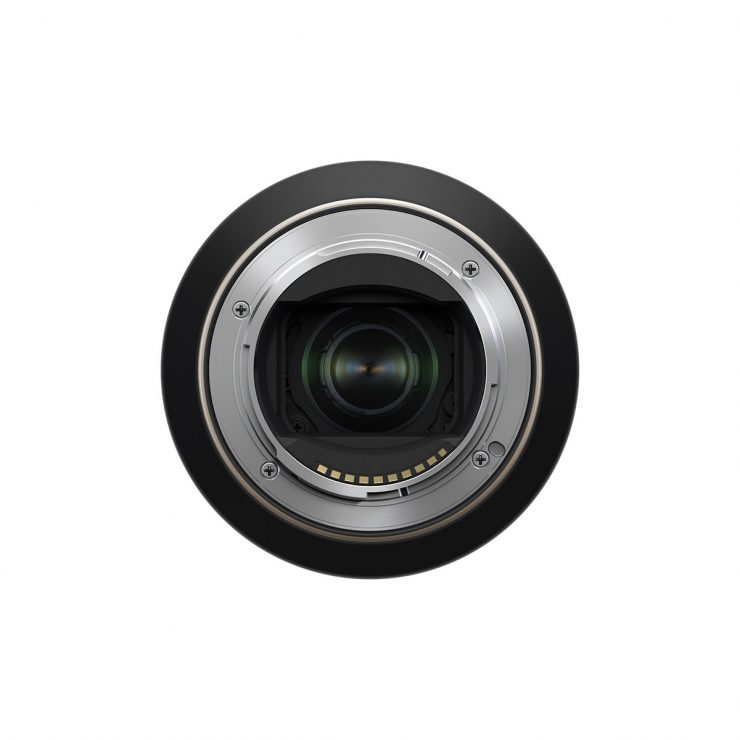
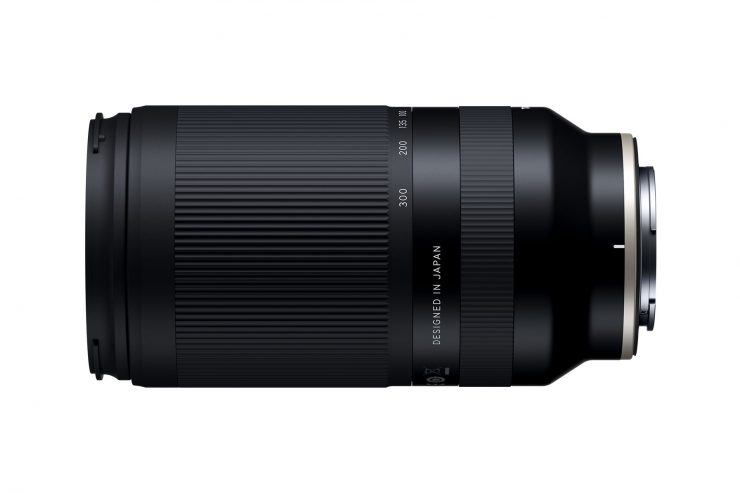
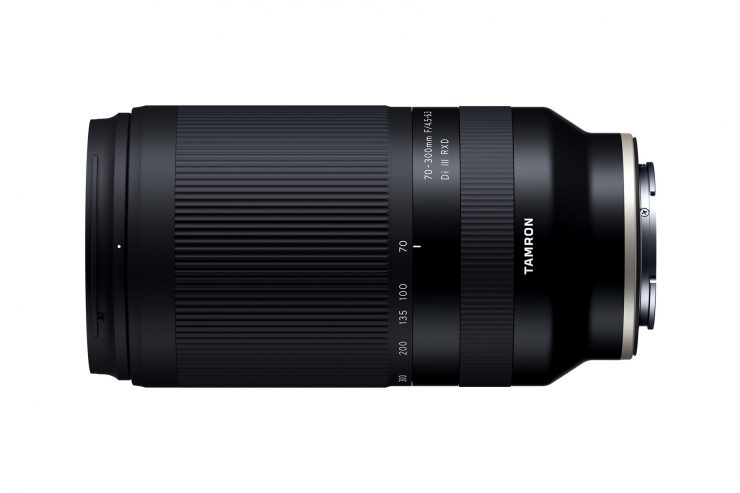
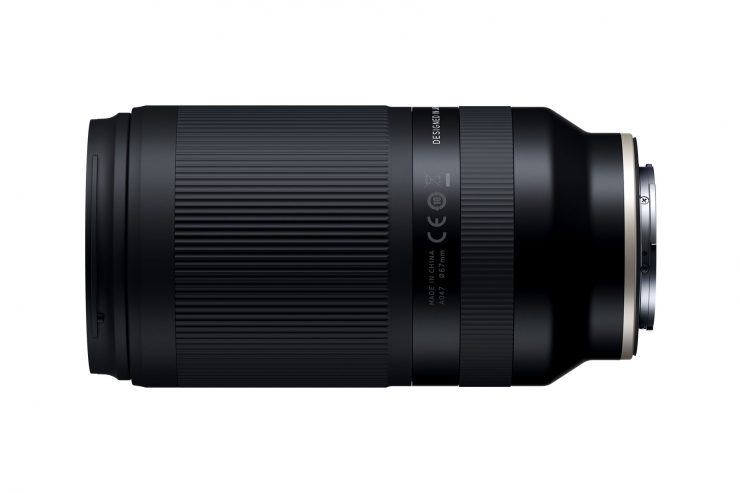
In early August, Tamron announced the development of the 70-300mm F/4.5-6.3 Di III RXD (Model A047) lens for Sony E-Mount, and this evening they’re making the release of the lens official. The new 70-300mm lens will begin shipping on October 29th, just over a month from now, for an expected retail price of $549 in the USA.
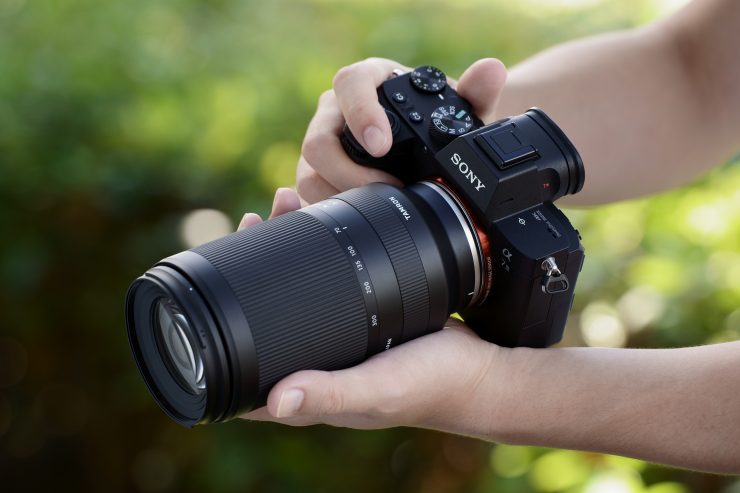
Photo Courtesy of Tamron Compared to the diminutive Sony A7III body, the Tamron 70-300 f/4.5-6.3 appears to be a pretty average sized lens, here.
As mentioned in the development announcement, the lens will be remarkably compact for a full-frame 70-300mm lens, though some of that compact build has come at the cost of 1/3rd of a stop of light transmission (compared to the hugely popular model for Canon and Nikon DSLRs). The lens 5.8″ long lens will weighjust over a pound at 19.2 ounces (the aforementioned model for Canon weighed 27 ounces).
Unlike many lenses aimed at amateurs, the Tamron 70-300 will be weather resistant, and the lens promises to have exceptionally high quality optics despite its compact size. Powered by an RXD stepping motor, AF should be zippy and nearly silent, making it a good option for shooting outdoor sports photos and video. On APS-C models like the Sony a6400, the lens will provide a 450mm angle of view, making it attractive to wildlife photographers as well.
And if you happen to own any of Tamron’s other lenses for Sony, the new 70-300 will be able to share any polarizers, neutral density filters, or any other filters that you own, because it shares the 67mm filter threads that are common to all of the Tamron lenses for Sony mirrorless.
Ready to Pre-Order?
If you’d like to buy one of these lenses and support my work here, you will undoubtedly be able to pre-order from Adorama and B&H Photo momentarily.
from Light And Matter https://ift.tt/2EwPRJr
via IFTTT